
Визуалният език на вкуса
Ами ако можехте да срещнете едно вино, преди да го опитате?
CALASSI превръща сензорния характер на виното във форма, цвят, текстура, материал, тегло и пропорции — създавайки физическо очакване за виното преди първата глътка.
Възприятието започва преди вкуса.
Не срещаме виното само чрез вкуса. Преди то да достигне до устата, сетивата вече формират очакване.
Цветът, формата, текстурата, теглото, температурата и начинът, по който се държи даден предмет, допринасят за преживяването, предхождащо дегустацията. Те създават асоциации, насочват вниманието и подготвят ума за това, което предстои да се случи.
CALASSI работи в този момент на очакване. Съдът става част от сетивната последователност – превръщайки качествата на виното във физически език, който може да бъде видян и почувстван, преди виното да бъде опитано.
Шест измерения оформят очакването.
CALASSI превежда сензорния профил на виното чрез шест физически измерения. Всяко допринася за очакванията, които се създават преди дегустацията.
Формуляр
Пропорцията, обемът, посоката и силуетът превръщат качества като тежест, свежест, структура, мекота или напрежение във физическа форма.
Цвят
Цветът създава непосредствено сензорно очакване – внушава температура, зрялост, интензитет, свежест, дълбочина или деликатност, преди виното да бъде опитано.
Текстура
Гланцови, матови повърхности, релеф и неравности въвеждат тактилни сигнали, които могат да напомнят на кремообразност, минералност, сочност, сухота или сложност.
Материал
Порцеланът носи своя собствена температура, плътност, тактилност и връзка със светлината — превръщайки се в част от начина, по който виното се поднася и сервира.
Тегло
Физическото тегло и балансът на съда влияят върху начина, по който той се държи, премества и възприема – от приземен и солиден до лек и извисен.
Взаимодействие
Държането, повдигането, наливането и сервирането превръщат обекта в активна част от ритуала, като правят физическото взаимодействие част от сетивното преживяване.
Виното е на първо място.
Всеки CALASSI започва с определено вино. Обектът е разработен въз основа на неговата сензорна идентичност, а не на предварително определена форма или естетика.
Сетивен профил
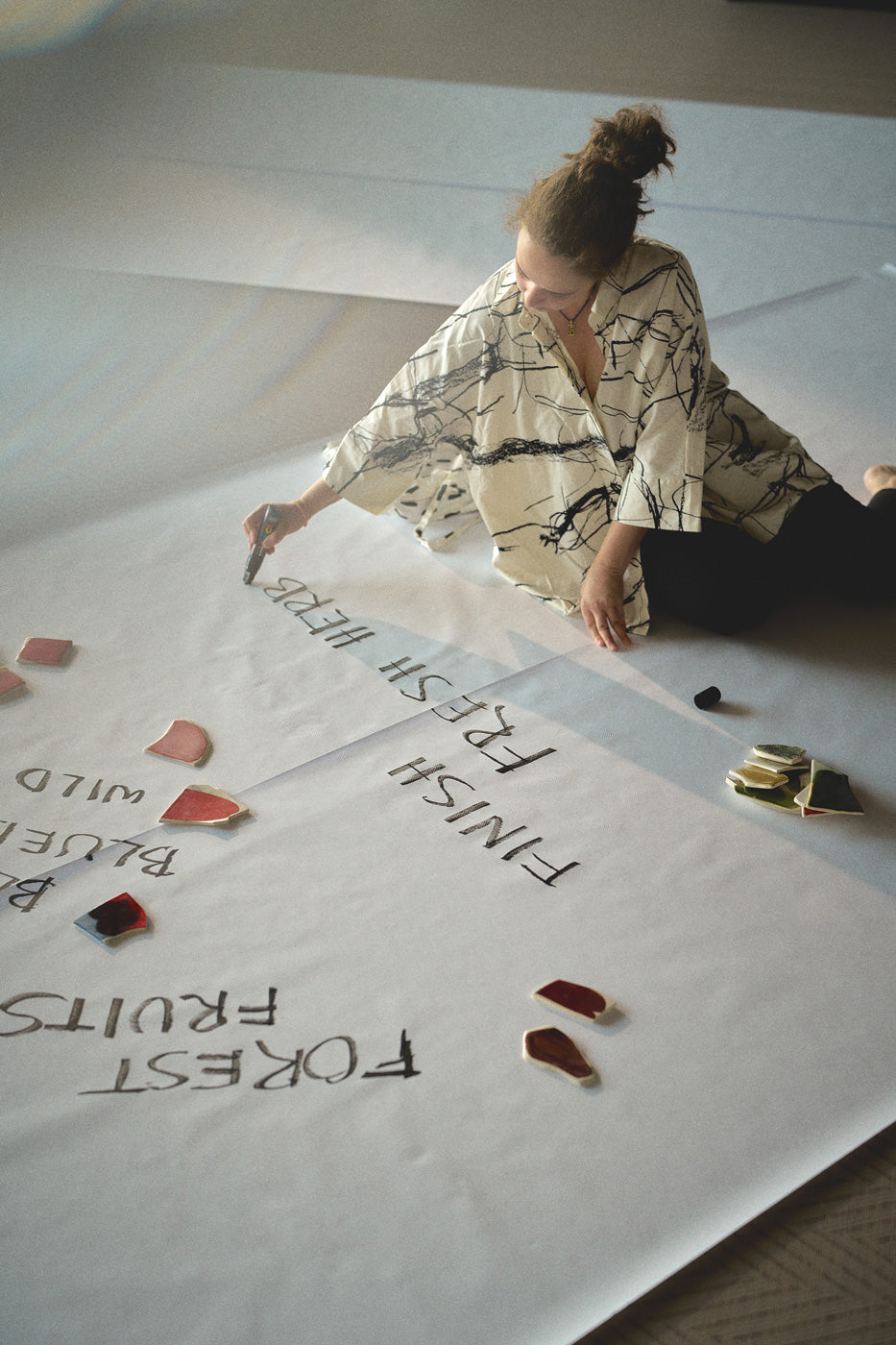
Виното се опитва и анализира като едно цяло: аромат, вкус, структура, свежест, текстура, финал и емоционалния характер, който създава.
Превод
Сетивните качества се превръщат в решения относно форма, цвят, текстура, материал, тегло, пропорции и физическо взаимодействие.
Прототипиране
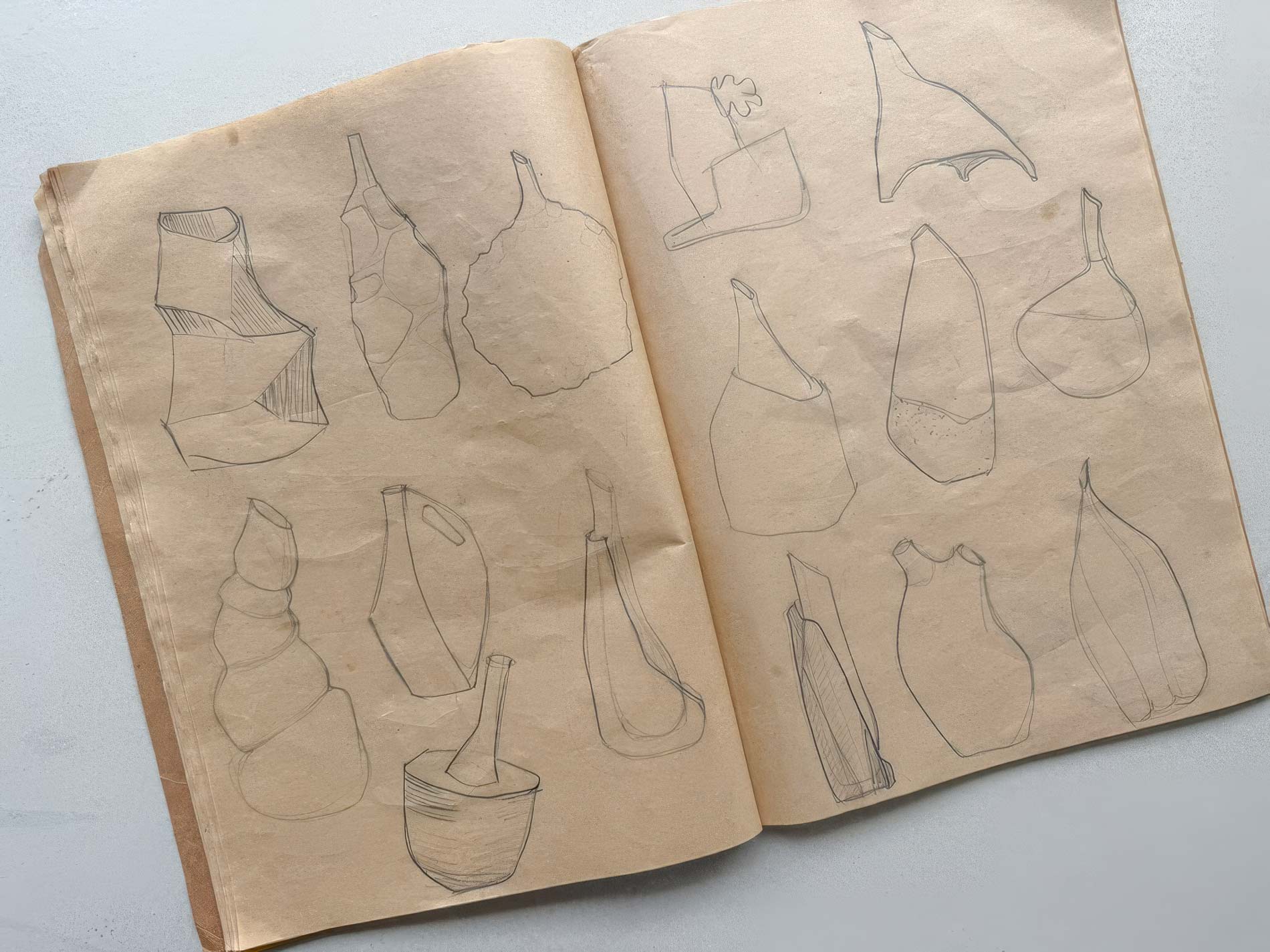
Скици, модели, порцеланови проби и експерименти с глазура превръщат първоначалния превод във физически обект, който може да бъде наблюдаван, манипулиран и усъвършенстван.
Последен плавателен съд
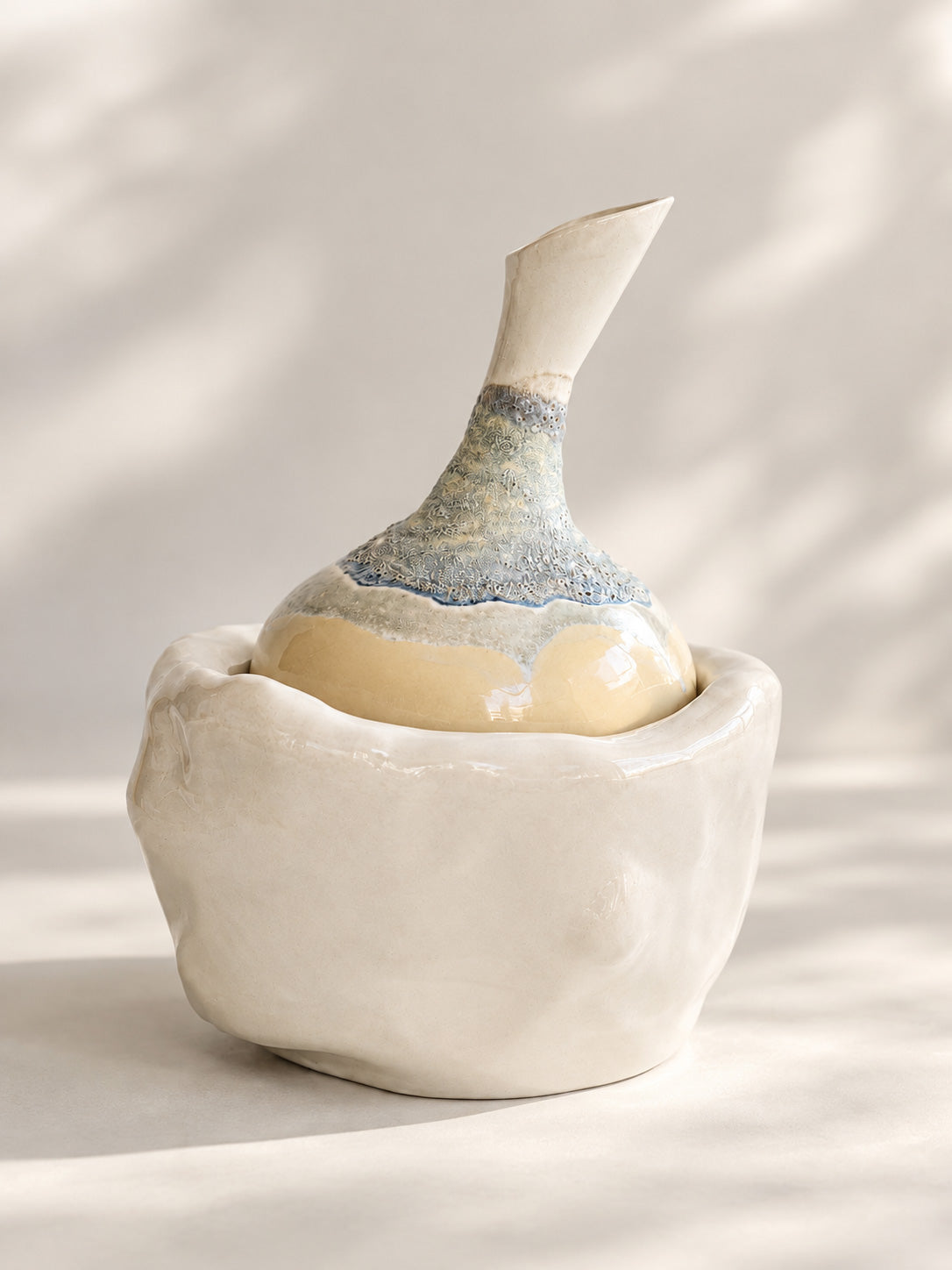
Крайният резултат на CALASSI обединява сензорните, функционалните и материалните решения в един обект, създаден специално за конкретното вино.
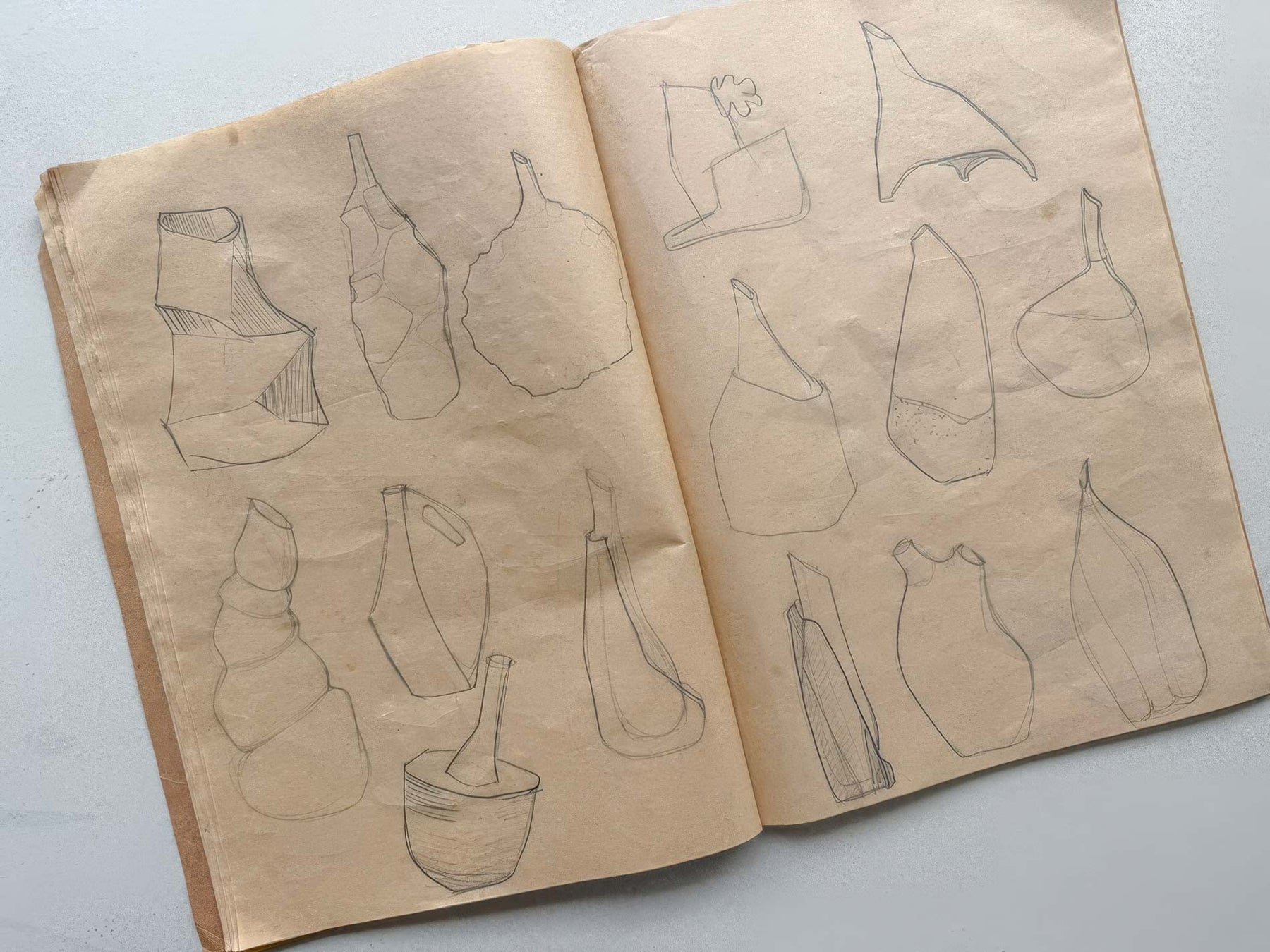
Резултатът не е илюстрация на дегустационни бележки, а физическа интерпретация на виното — разработена чрез многократно наблюдение, производство и усъвършенстване.
Сетивата не работят самостоятелно.
Това, което виждаме и докосваме, може да оформи очакванията ни за вкус.
Кросмодалното възприятие описва начина, по който информацията от различни сетива си взаимодейства. Визуалните и тактилните качества могат да създадат асоциации с характеристики като свежест, интензивност, мекота, тегло или минералност.
CALASSI използва тези връзки като език за дизайн. Вместо да илюстрира буквално аромати или вкусове, сензорните качества се превръщат във физически решения, които могат да бъдат видени, докоснати и изпитани.
CALASSI черпи от изследвания в областта на кръстосано-модалното възприятие, включително работата на проф. Чарлз Спенс и Лабораторията за кръстосано-модални изследвания към Оксфордския университет.
Функцията е част от възприятието.
Съдът CALASSI не се оформя само от сетивни асоциации. Начинът, по който виното се защитава, съхранява, аерира, охлажда, налива и сервира, е част от дизайна от самото начало.
Аерация
Вътрешният обем и отвор се разглеждат във връзка с виното и начина, по който то влиза в контакт с въздуха преди сервиране.
Температура
Системата за сервиране може да работи с отделен охлаждащ компонент, поддържащ желаната температура, докато виното е на масата.
Светлина
Порцелановото тяло намалява прякото излагане на светлина, докато виното се държи и сервира.
Обработка
Теглото, балансът, повърхността и захватът определят как съдът стои в ръката и как физически се развива ритуалът на поднасяне.
Изливане
Гърлото, отворът, балансът и ориентацията се развиват заедно около физическия акт на наливане и сервиране на виното.
Едно вино. Един съд.
Няма универсална форма на CALASSI.
Всеки съд започва с конкретно вино и е разработен около собствената си сензорна идентичност. Форма, цвят, текстура, материал, пропорция и взаимодействие се преразглеждат всеки път — така че крайният обект принадлежи на виното, което го е вдъхновило.