
The visual language of taste
What if you could meet a wine before you taste it?
CALASSI translates the sensory character of a wine into form, colour, texture, material, weight and proportion — creating a physical expectation of the wine before the first sip.
Perception begins before taste.
We do not meet wine through taste alone. Before it reaches the mouth, the senses are already forming an expectation.
Colour, shape, texture, weight, temperature and the way an object is held all contribute to the experience that comes before tasting. They create associations, direct attention and prepare the mind for what is about to happen.
CALASSI works within this moment of anticipation. The vessel becomes part of the sensory sequence — translating qualities of the wine into a physical language that can be seen and felt before the wine is tasted.
Six dimensions shape the expectation.
CALASSI translates the sensory profile of a wine through six physical dimensions. Each one contributes to the expectation created before tasting.
Form
Proportion, volume, direction and silhouette translate qualities such as weight, freshness, structure, softness or tension into physical form.
Colour
Colour creates an immediate sensory expectation — suggesting temperature, ripeness, intensity, freshness, depth or delicacy before the wine is tasted.
Texture
Gloss, matte surfaces, relief and irregularity introduce tactile cues that can echo creaminess, minerality, juiciness, dryness or complexity.
Material
Porcelain brings its own temperature, density, tactility and relationship with light — becoming part of how the wine is approached and served.
Weight
The physical weight and balance of the vessel influence how it is held, moved and perceived — from grounded and substantial to light and lifted.
Interaction
Holding, lifting, pouring and serving turn the object into an active part of the ritual, making physical interaction part of the sensory experience.
The wine comes first.
Every CALASSI begins with a specific wine. The object is developed from its sensory identity rather than from a predetermined shape or aesthetic.
Sensory profile
The wine is tasted and analysed as a whole: aroma, flavour, structure, freshness, texture, finish and the emotional character it creates.
Translation
Sensory qualities are translated into decisions about form, colour, texture, material, weight, proportion and physical interaction.
Prototyping
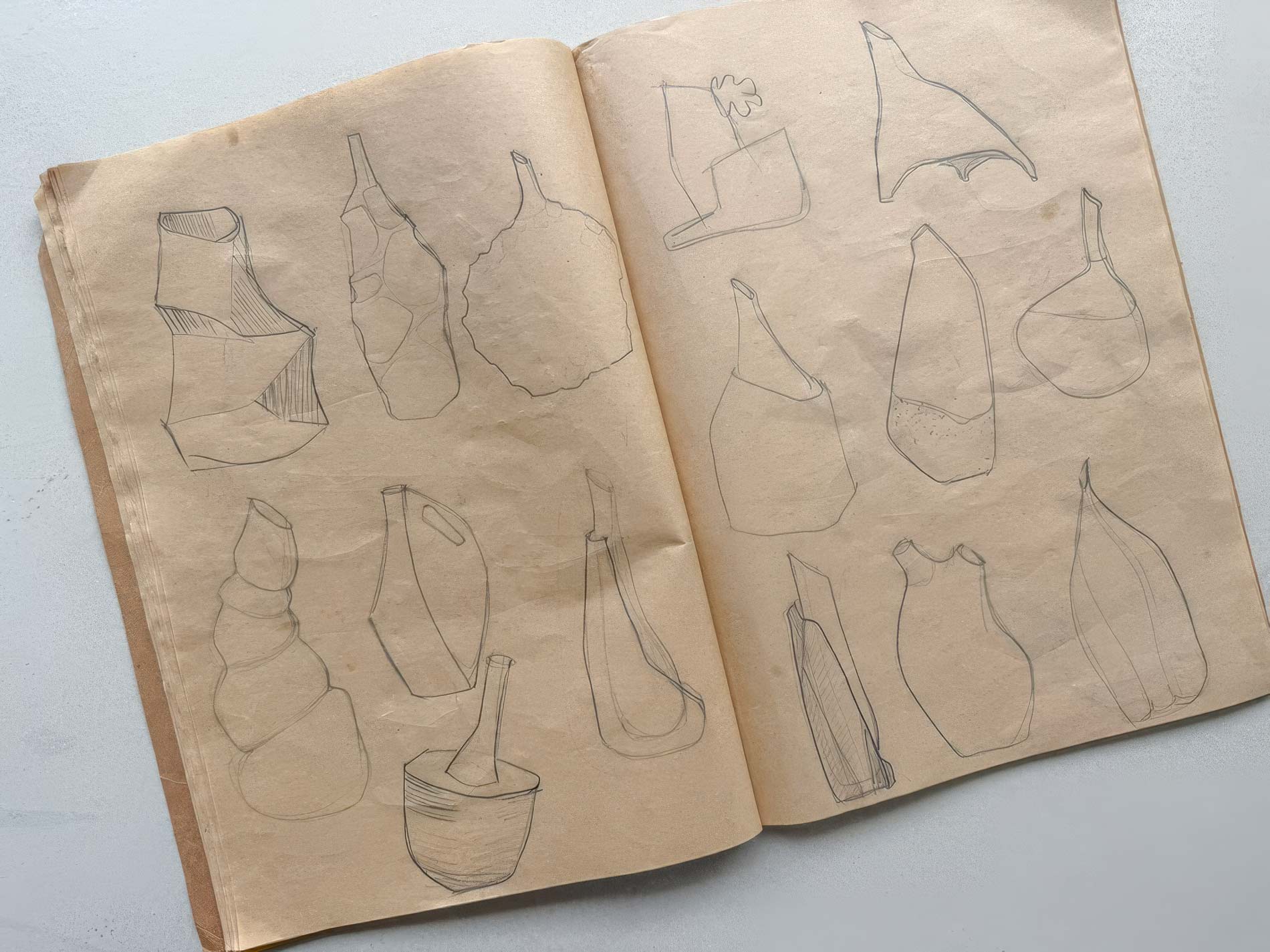
Sketches, models, porcelain tests and glaze experiments turn the initial translation into a physical object that can be observed, handled and refined.
Final vessel
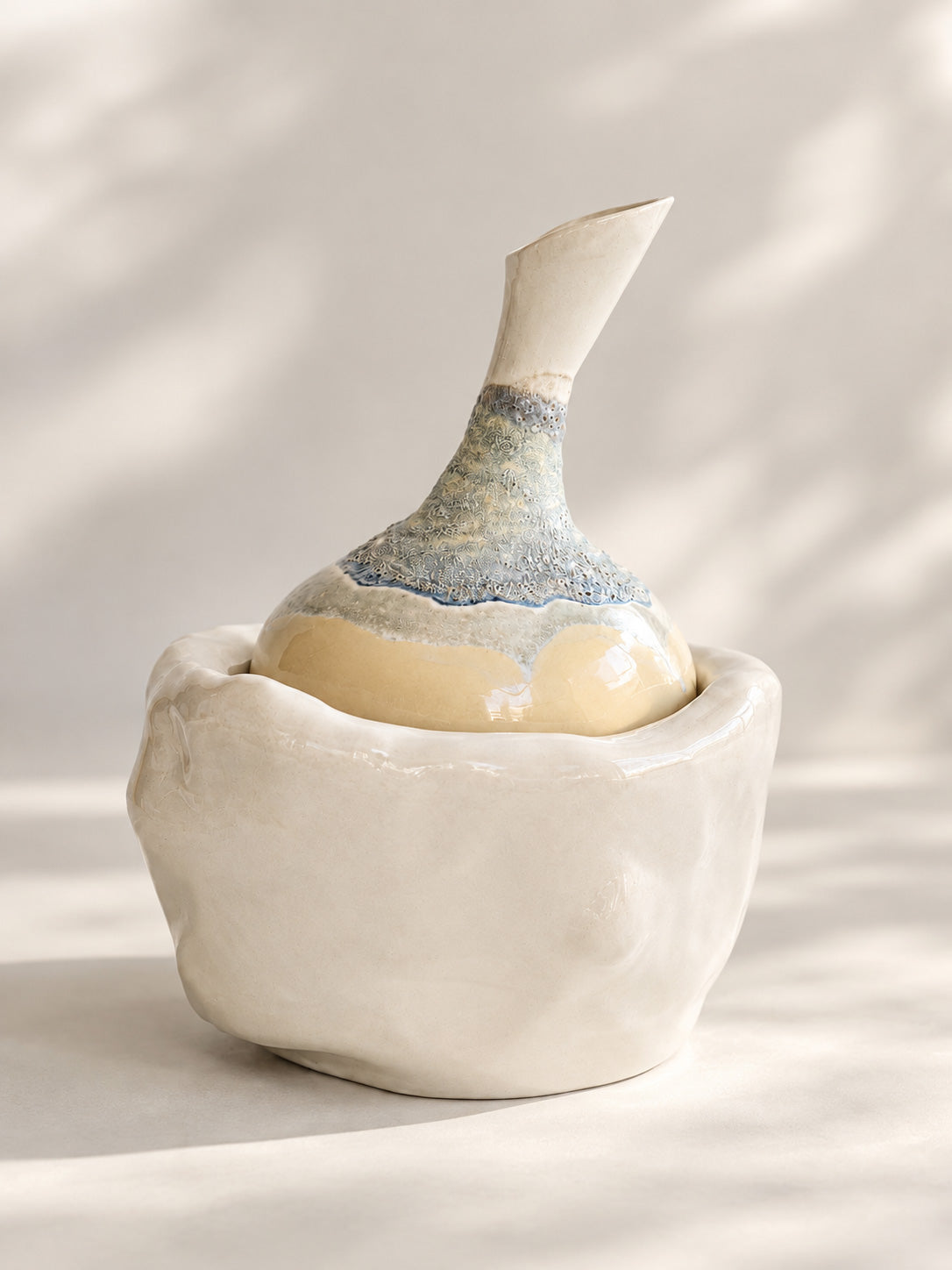
The final CALASSI brings the sensory, functional and material decisions together in one object created specifically for that wine.
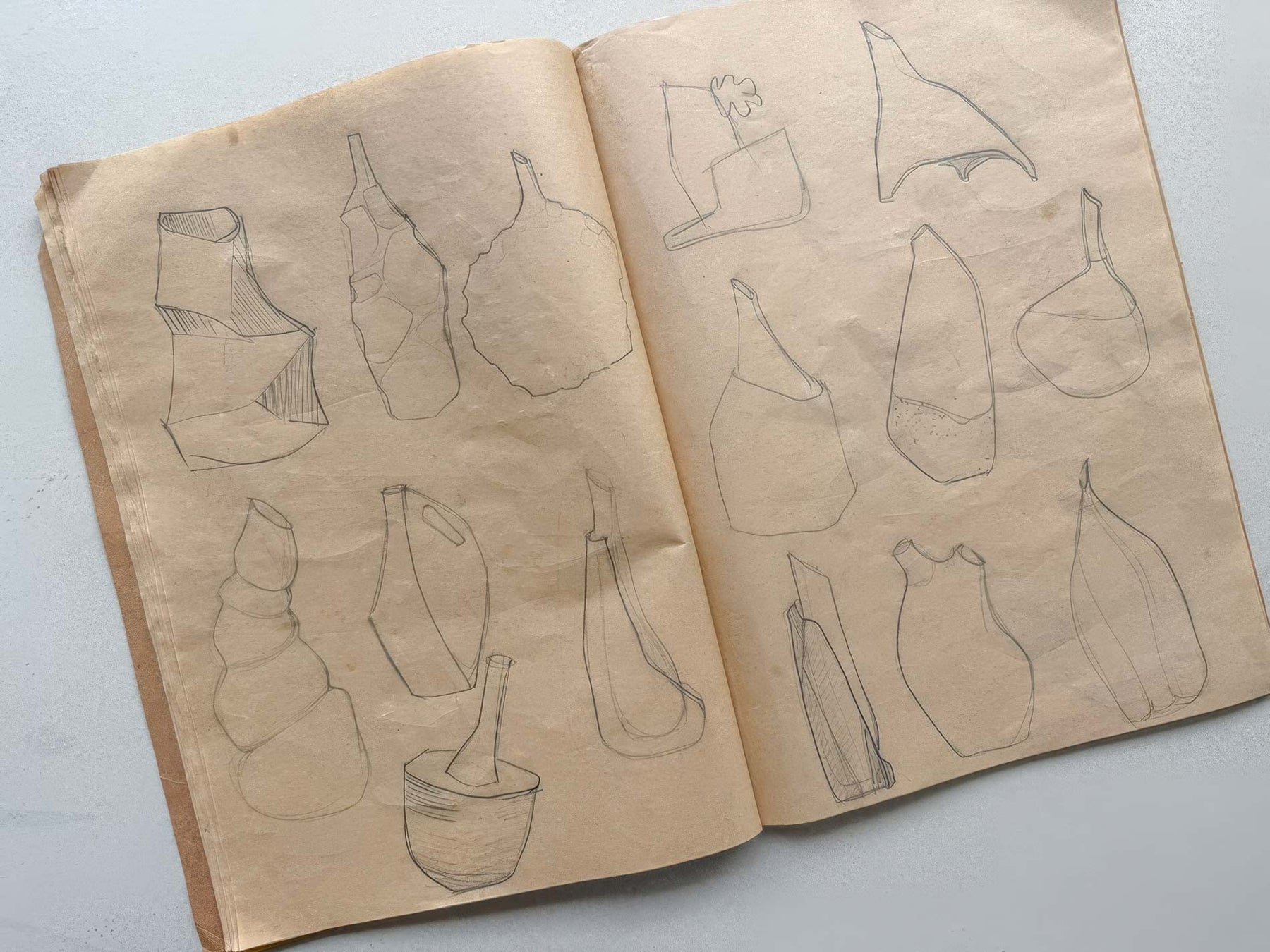
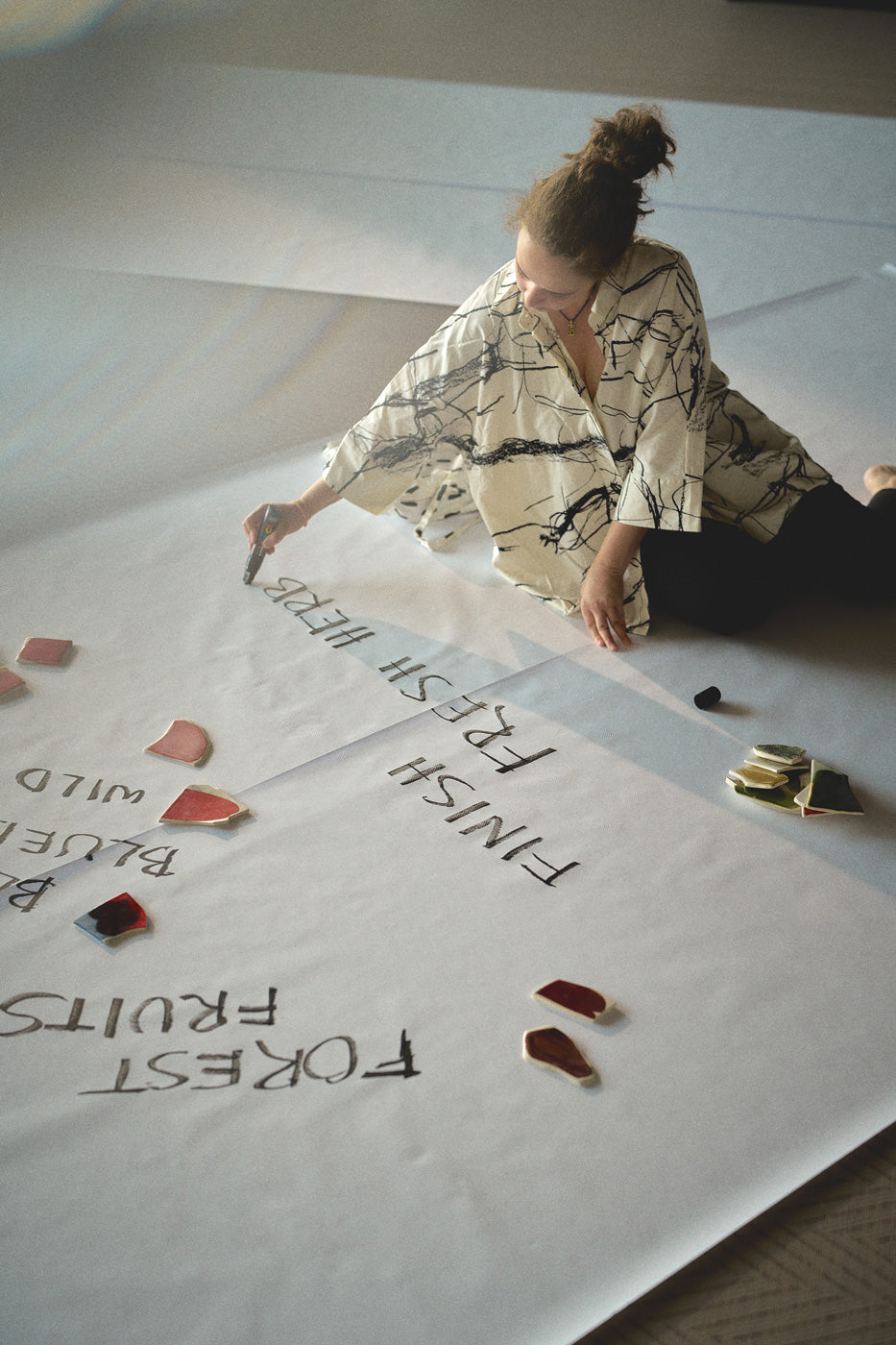
The result is not an illustration of tasting notes, but a physical interpretation of the wine — developed through repeated observation, making and refinement.
The senses do not work alone.
What we see and touch can shape what we expect to taste.
Crossmodal perception describes the way information from different senses interacts. Visual and tactile qualities can create associations with characteristics such as freshness, intensity, softness, weight or minerality.
CALASSI uses these relationships as a design language. Rather than illustrating aromas or flavours literally, sensory qualities are translated into physical decisions that can be seen, touched and experienced.
CALASSI draws on research into crossmodal perception, including the work of Prof. Charles Spence and the Crossmodal Research Laboratory at the University of Oxford.
Function is part of perception.
A CALASSI vessel is not shaped by sensory associations alone. The way the wine is protected, held, aerated, cooled, poured and served is part of the design from the beginning.
Aeration
Internal volume and opening are considered in relation to the wine and the way it encounters air before serving.
Temperature
The serving system can work with a dedicated cooling companion, helping maintain the intended temperature while the wine is at the table.
Light
The porcelain body reduces direct exposure to light while the wine is held and served.
Handling
Weight, balance, surface and grip determine how the vessel feels in the hand and how the serving ritual unfolds physically.
Pouring
Neck, opening, balance and orientation are developed together around the physical act of pouring and serving the wine.
One wine. One vessel.
There is no universal CALASSI shape.
Each vessel begins with a particular wine and is developed around its own sensory identity. Form, colour, texture, material, proportion and interaction are reconsidered every time — so the final object belongs to the wine that inspired it.